

Facing the Flats: Challenges and the Future of the Fly-Fishing Industry in The Bahamas
- Osiris Rolle
- Jan 21
- 3 min read
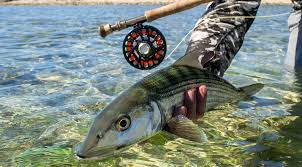
The fly-fishing industry in The Bahamas has long been a pillar of tourism and local economic life, drawing anglers from around the world to chase bonefish, tarpon, and permit across the nation’s famed shallow flats. Yet, despite being legally recognized as a key sector, the industry continues to grapple with significant challenges that could shape its future for years to come.
Progress Meets Persistence: Legal Recognition, But Not Enough Protection
In 2017, The Bahamas made history by passing the Flats Fishing Act, a law that formally recognized fly fishing — and, importantly, the profession of guiding — as an official part of the nation’s tourism and fishing economy. The act also introduced angler licensing and protected major flats species like bonefish, tarpon, permit, snook, and cobia from commercial sale.
However, eight years on, industry leaders say that legislative recognition alone hasn’t been enough to unlock the sector’s full economic potential. Prescott Smith, president of the Bahamas Fly Fishing Industry Association (BFFIA), told local media that gaps in enforcement, weak regulatory oversight, and unfinished policy reforms are holding back growth — even as the nation’s ocean resources remain a defining asset.
Economic Opportunities — and Missed Potential
Smith argues that fly fishing in The Bahamas could be worth billions of dollars annually if the resources and regulatory framework were fully aligned with global sportfishing trends — a dramatic leap from its current estimated contribution. He points out that the industry’s economic impact isn’t just about guiding and charter fees, but also includes brand development, gear sales, lodges, and other connected services that create jobs and support local communities.
Yet enforcement gaps have allowed foreign-run operations and unregulated activities to erode Bahamian ownership and local participation, Smith says. “If it’s not protected or reserved for the citizens, there’ll be very little left of The Bahamas for Bahamian ownership,” he warned.
Policy Challenges and Industry Debate
The struggle isn’t just about protecting fish stocks — it’s also about who benefits from the sport. The law’s guiding requirements and licensing provisions have sparked heated debates among guides, lodge owners, and DIY anglers over access, certification, and economic equity. Some stakeholders argue that current rules limit opportunities for smaller operators and DIY fishers, while others see them as essential to safeguarding local livelihoods in the long term.
There’s also ongoing dialogue between government agencies and industry groups aimed at refining regulations to balance tourism growth, sustainable fishing practices, and fair access for Bahamian operators. Recent government commitments emphasize training for new guides, marketing support through national tourism channels, and bolstering participation among Bahamian citizens to ensure the industry works for local communities.
The Road Ahead: Balancing Conservation, Tourism, and Local Growth
What’s clear is that The Bahamas’ flats — some of the most sought-after fly-fishing waters on the planet — remain both an economic engine and a conservation priority. As tourism events like the 2025 Bone-fishing Tournament Series continue to highlight the nation’s global appeal, there’s a growing push for practical policies that support long-term sustainability while fostering local ownership and economic benefit.
For anglers and industry watchers alike, the unfolding conversation is a reminder that protecting the resource is inseparable from building an industry that serves both local communities and visiting anglers. The challenge now is turning legislative success into meaningful, enforceable action that preserves the flats for generations of Bahamians and anglers to come.


Comments